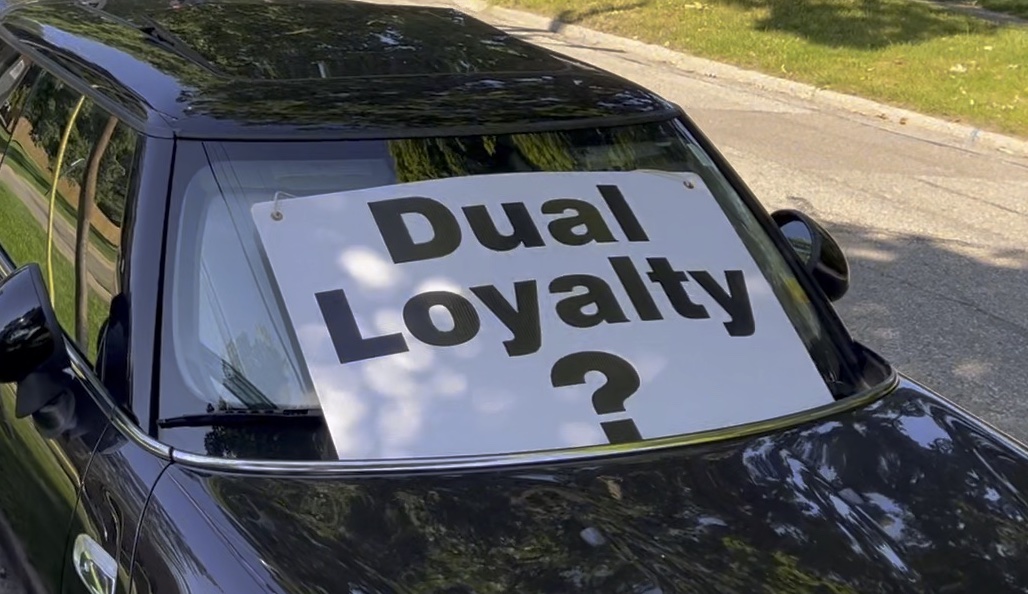
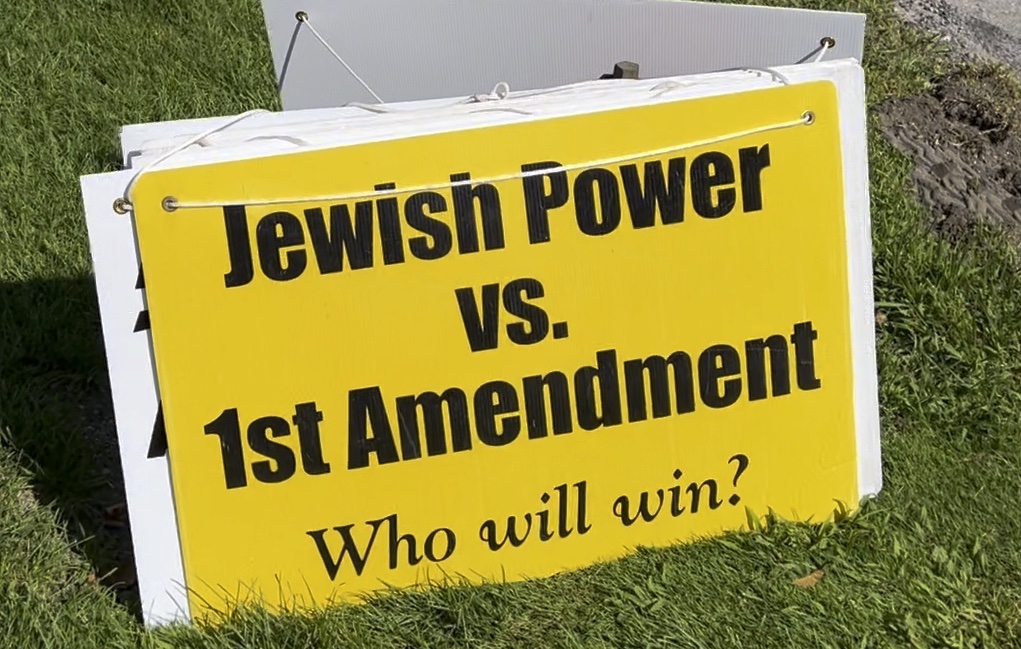
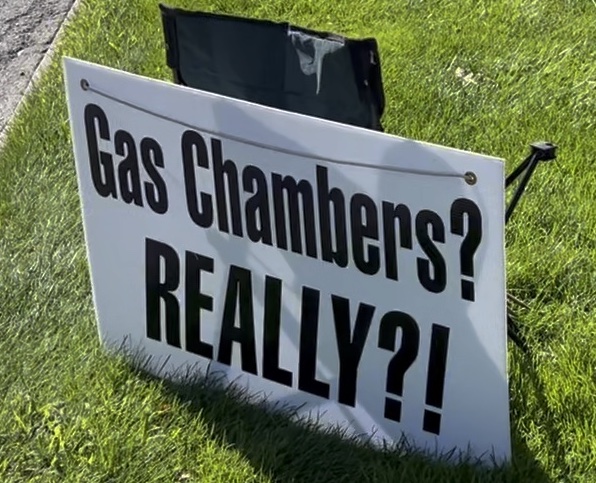
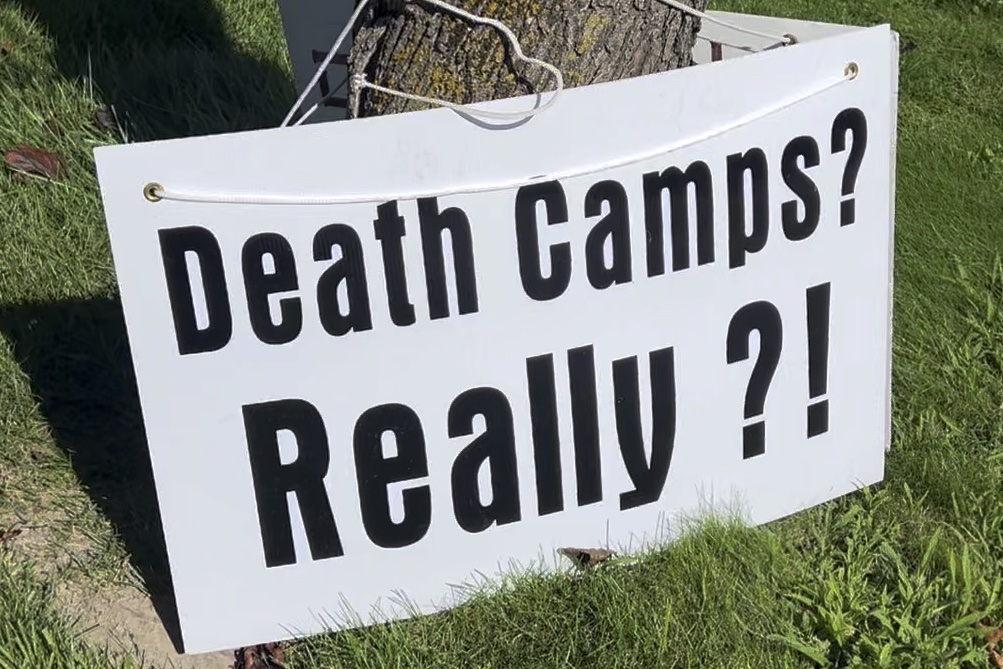
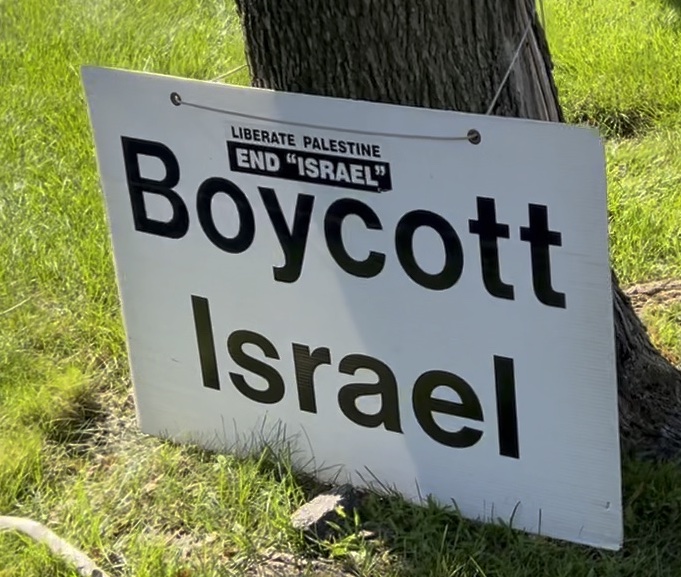
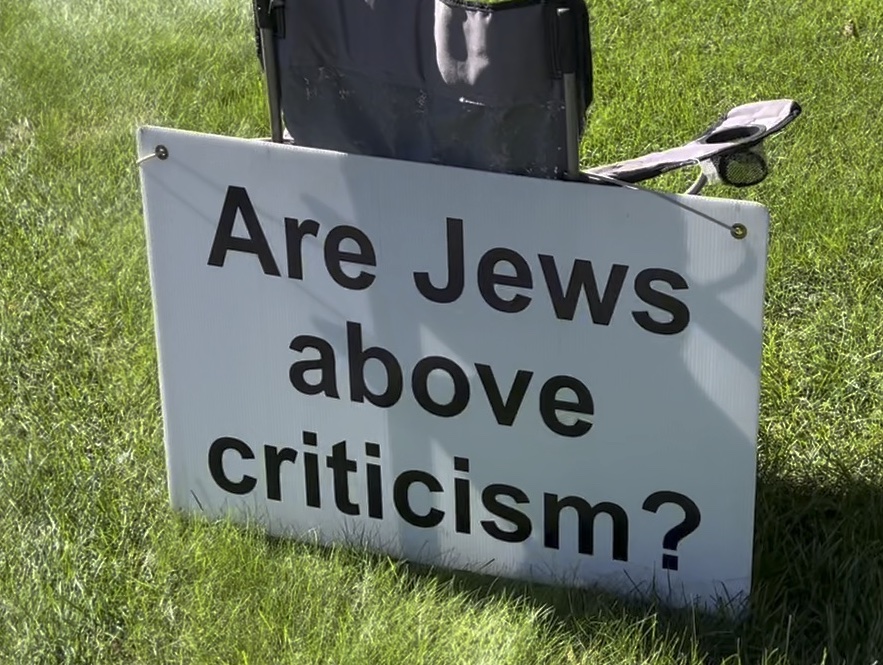
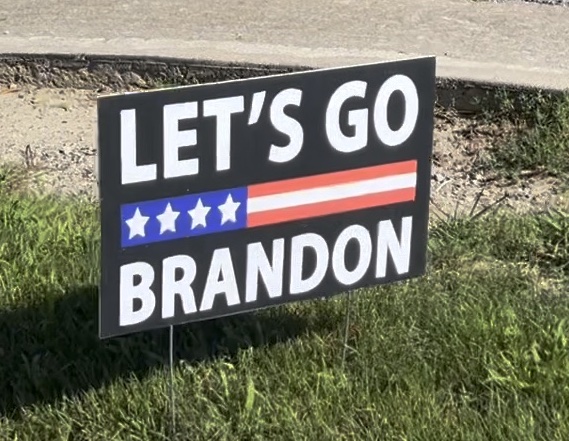
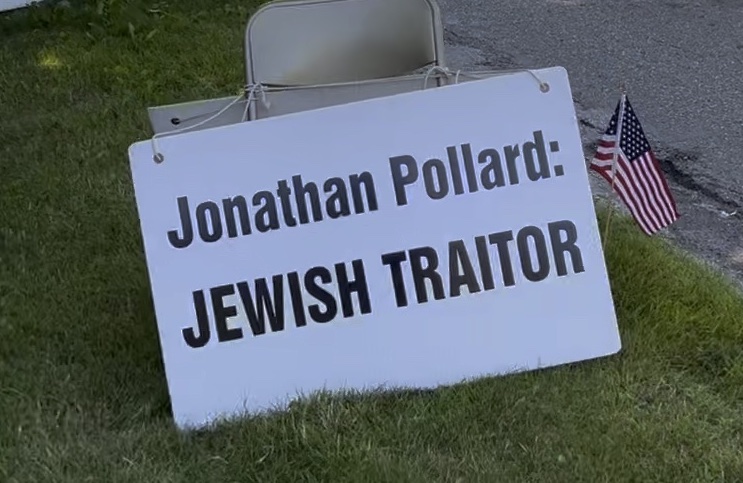
I’m mostly posting this for archival/documentary purposes. But I’m also posting this because I think that the “Is anti-Zionism antisemitic?” argument is stupid; you can go to these protests and demonstrations yourself, or look at comprehensive coverage, and decide for yourself if what you see is primarily motivated by a love of the Palestinian people or a loathing of Jews.
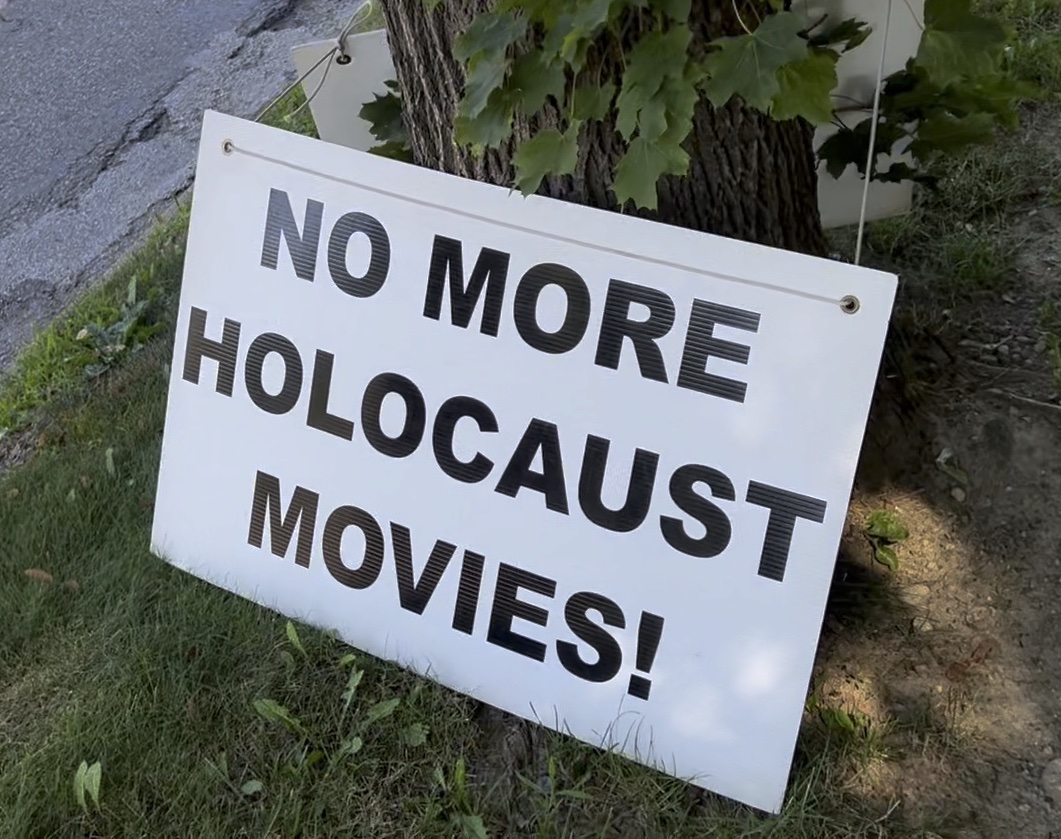
I captured all of these video at the weekly protest held outside Beth Israel Congregation each Saturday, during morning Shabbat services. This protest has been held mostly weekly for the last couple decades, and has been mostly the same throughout that period. The pictures show all of the signs that were on display that day. Some have been the same for years (I’ve lived less than one mile from this site for 20+ years), others are relatively new. I think only “Jews Bomb Hospitals” and possibly “Jews Bomb Churches” are new since the pogrom of October 7 and intensified bombings of Gaza. The entire video of my stroll past the demonstration is included at the bottom, for those curious.
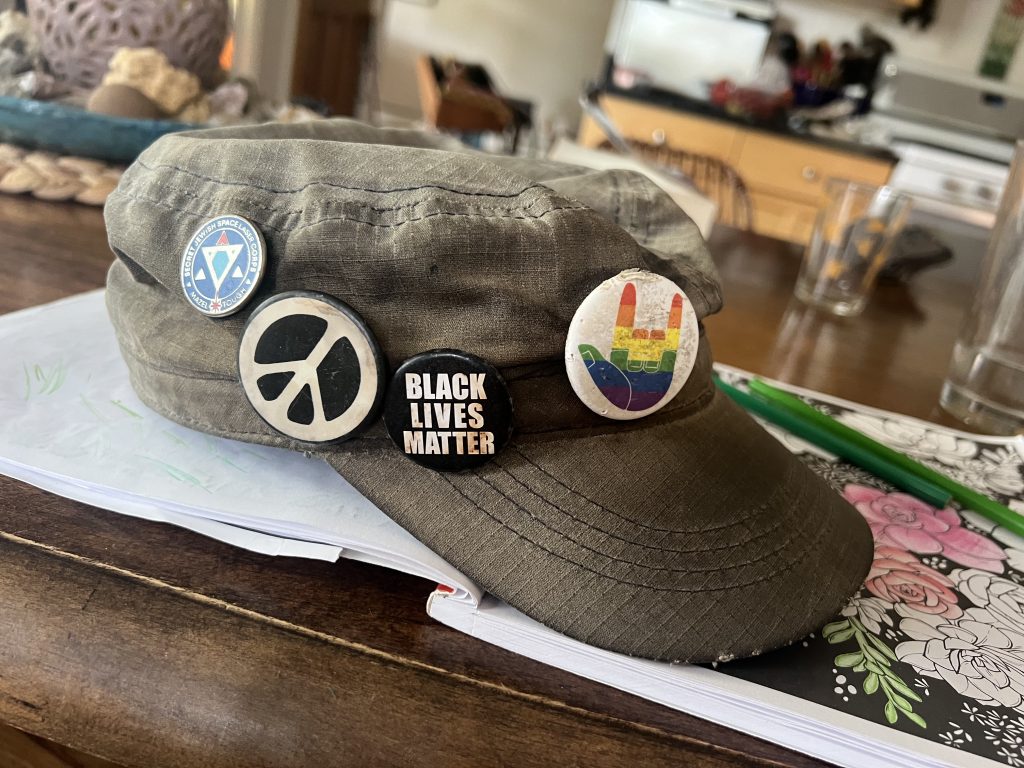
I never spoke a word to these men, nor was I wearing anything inflammatory. I had on a plain black shirt and this hat, which I wear basically everywhere:
I wouldn’t rule out that these two protestors knew I was a Jew: the “Jewish Space Lasers” button on my hat is pretty legible (folks have complimented me on it) and, besides, I’m active in Jewish communal life here, and it’s just not that big of a community.
I mention this because near the beginning of the video you can hear the mustachioed protestor begin by talking about dead Palestinians (reasonable, at a nominally pro-Palestine demo) and then abruptly switching gears to talk about the “fact” that gas chambers never existed. I don’t know why he jumped topics like that, although I’d been warned that these two men (who both wear GoPros) would try to goad me into a fight. A portion of their signs are clearly intended to offend, and especially to offend Jews–like the families with small children who were arriving to attend religious services as I arrived.
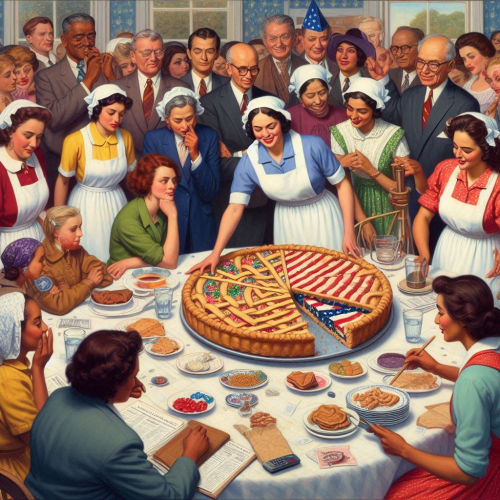
Remember when you were a kid and would fight over who got the bigger slice of cake, and so your mom made one of you cut and the other choose, in order to ensure fairness and decrease the amount of kvetching and whining she’d have to deal with, so she could just get on with her life?
This protocol is self-enforcing (i.e., it requires no outside arbiter or commission or oversight board or judges), mathematically verified, and fair—all of which taken together basically guarantees we’ll never ever ever use it, because (waves hands) will-of-the-people-constitutionalism-orginalist-intent-textualist-consistent-with-traditions-blah-blah-bullshit.🤬🇺🇸🔥
I do not endorse Seinfeld or Seinfeld (no deeply held conviction or ideological bone to pick there; he just never particularly worked for me, as a comedian or writer), but I do wholeheartedly endorse both the above sentiment, and reading the entire op-ed it came from (here’s a gift link 🎁🔗 ):
The takeways summarized in the op-ed are good and worth your time, and the core message is a fundamental truth:
Dedicating yourself to the mastery of a craft—against all odds and despite all distractions and obstacles—is the only path along which there is relief.
Along these same lines—delving into and reflecting on what it means to dedicate yourself to craft—I likewise wholeheartedly endorse this documentary (noting that, over the last decade I’ve revised my opinion on it in at least one important detail: although I still love the documentary, I no longer even mildly like any of these comics).
[*] I also don’t endorse Esquire—again, it never really worked for me is all. I do endorse the Washington Post, though. I read a lot of news reporting from a lot of sources, and there’s is consistently the most even-handed and makes the most honest attempt at being honest and accurate, in my humble.
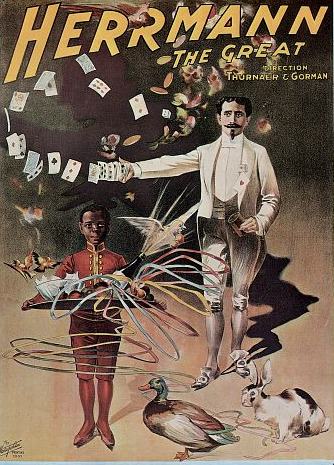
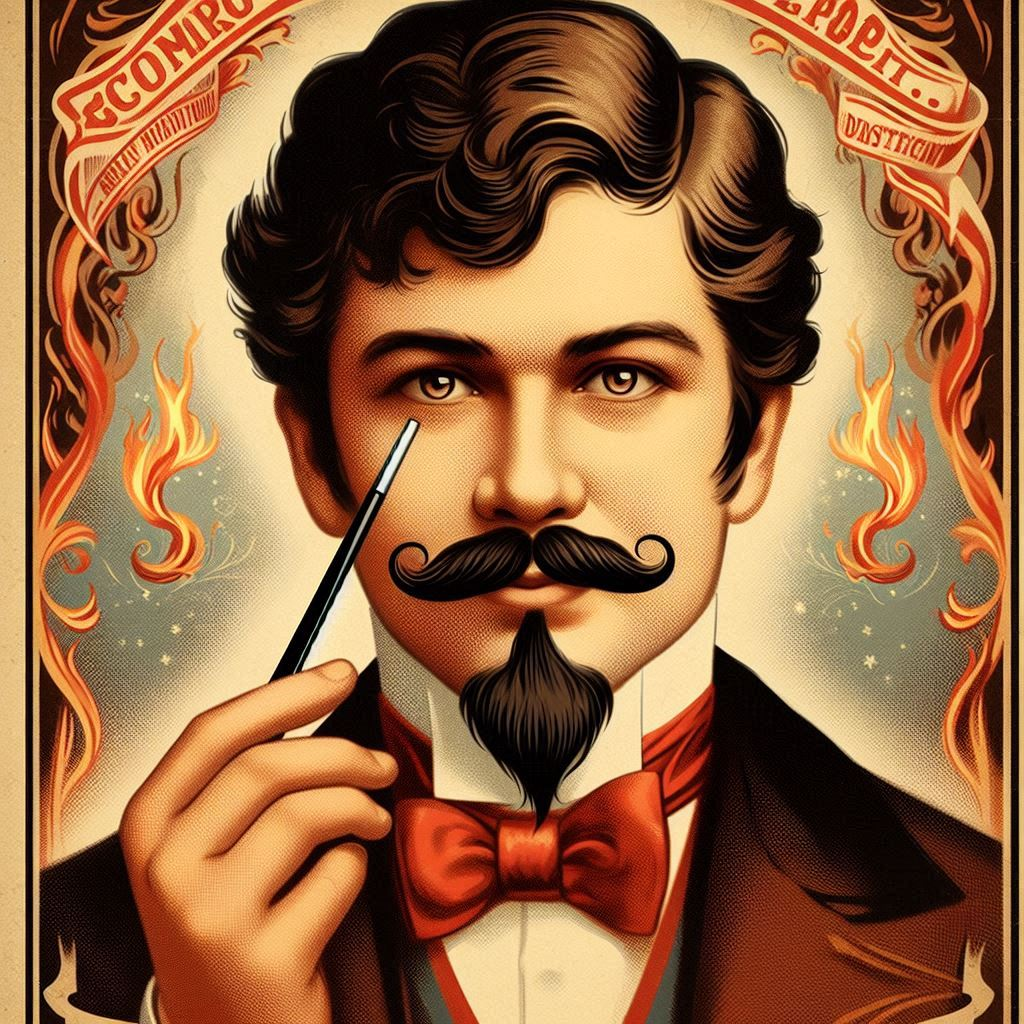
Holy Moses! The “suave devil look” for magicians (goatee, tuxedo, etc.) was invented by a Jewish magician named “Herrmann” (which I think is German for “Mr. Man”—which just so feels like a name assigned by a census taker who was fed up with weird Yiddish shtetl names he couldn’t spell) who performed for Lincoln!
In fact, Herrmann (shown in the picture at the top, courtesy of his Wikipedia entry) is so synonymous with the look that if you prompt an A.I. with “create a poster for an 1800s stage magician. The magician needs a goatee” it gives you a picture of this otherwise obscure 19th Century French stage magician:
I live in Michigan, and we’re deluged in ads for this stuff here. I don’t personally care about gambling—don’t dig it, don’t really object to it, not close to anyone who’s gotten really tangled up in it. But these apps—the aggressiveness of the celebrity shilling, the dopamine-flood design of their ads, the trite offers of “help” to those struggling with a gambling problem—just feels gross as fuck to me. It may be a stretch to say you are profiting from your neighbors’ misery when you use these apps, but it is no stretch at all to point out that Jamie Foxx and Jason Alexander and all the rest of these celebrity shills sure as shit are. Why in the world are these folks, who are already multi-millionaires, taking this work to promote these apps?
“The upshot is that the least antisemitic Americans are mainstream liberals and conservatives. The most antisemitic are the extreme left, the extreme right, as one of the theories noted above suggests, but also low information voters, who skew survey results by often self-identifying as “moderate.””
In other words, modern Jew-hate in America isn’t a right-wing thing (as most progressives insists), nor a horseshoe (as often seems to be the case on the ground, as a Jew), but instead a “W,” where the Left and Right peaks correspond to strongly ideological folks blaming Jews for this or that social ill (e.g., Jews are both the all-controlling capitalist puppet-masters AND the socialist-communist shadow agents driving the Great Replacement), and the middle peak is composed of average/moderate/centrist folks who mistrust the “mainstream” media, don’t identify as anything, and get their news from increasingly biased and ignorant spheres.
I like this as satire and critique, but also just really love the rhythm of this graff:
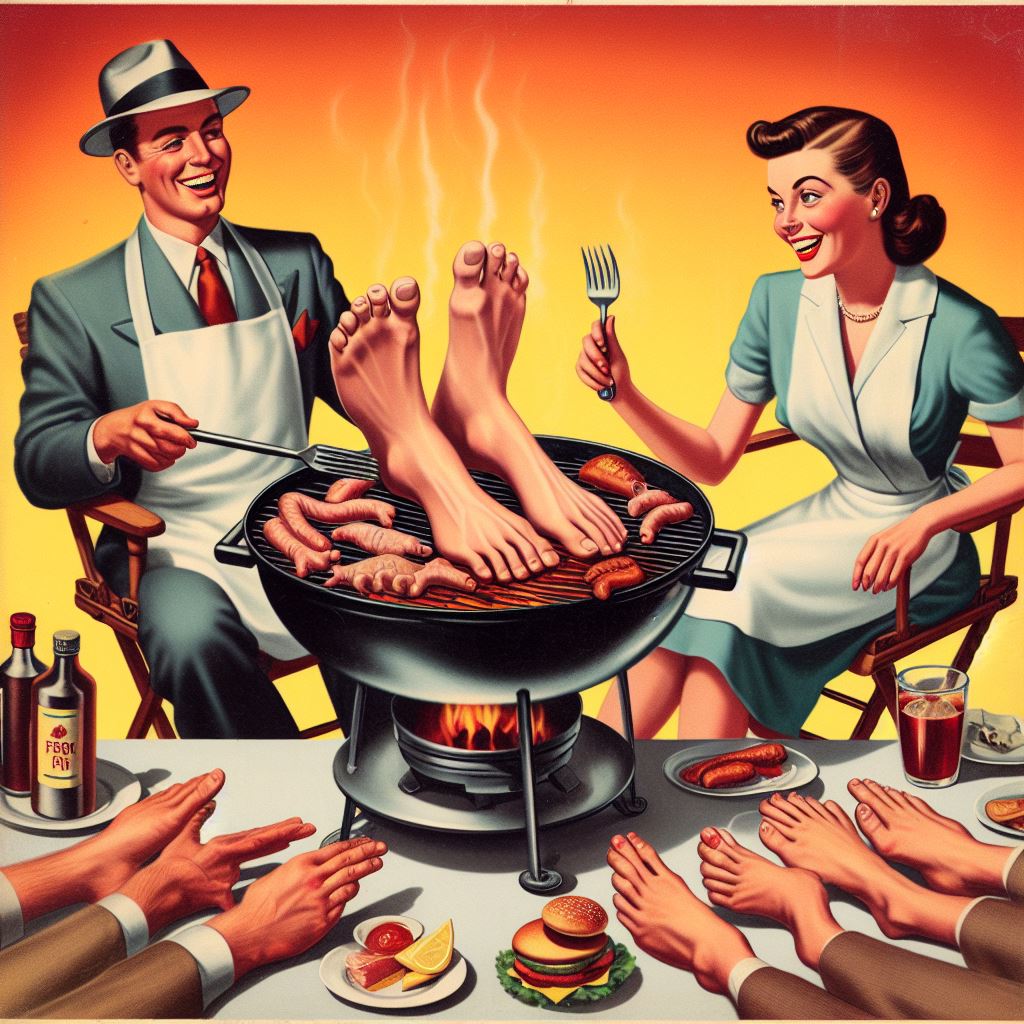
With the advances we have made in pain management, prosthetics and ergonomic furniture, there isn’t a compelling reason not to become a Center-of-the-Plate contributor to the next course of global food mania. Write off that leg with the bad knee on your taxes; then hack it, cryo-vac it, ship it to a tycoon in Hong Kong who needs something rare to serve his guests at the executive dinner. It’s a win-win for din-din!
Straight talk: this book is a little like heavy metal poisoning. Its impact is pernicious, deep, and likely permanent. You’ll be powerfully tempted to pigeon-hole this as an allegory (about world-wide overconsumption of meat, about climate change, about patriarchy, about the deadly tendency to humor wealthy idiots)—but, jeez, don’t. That’s just a defense mechanism, your brain’s white blood cells trying to contain and thus destroy an interloper. Don’t cop out like that. Just let the story fully in, let it blossom and consume you.
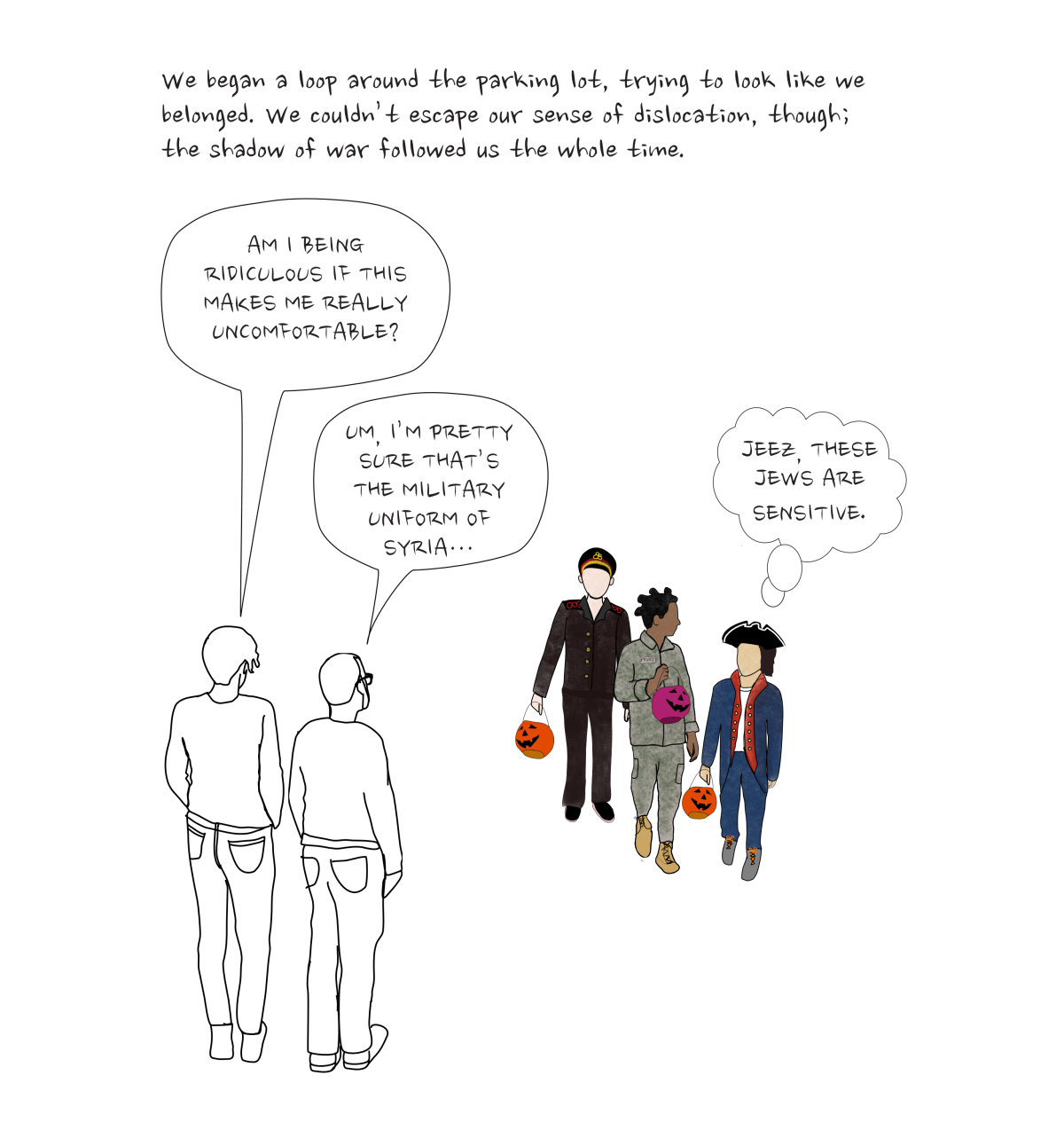
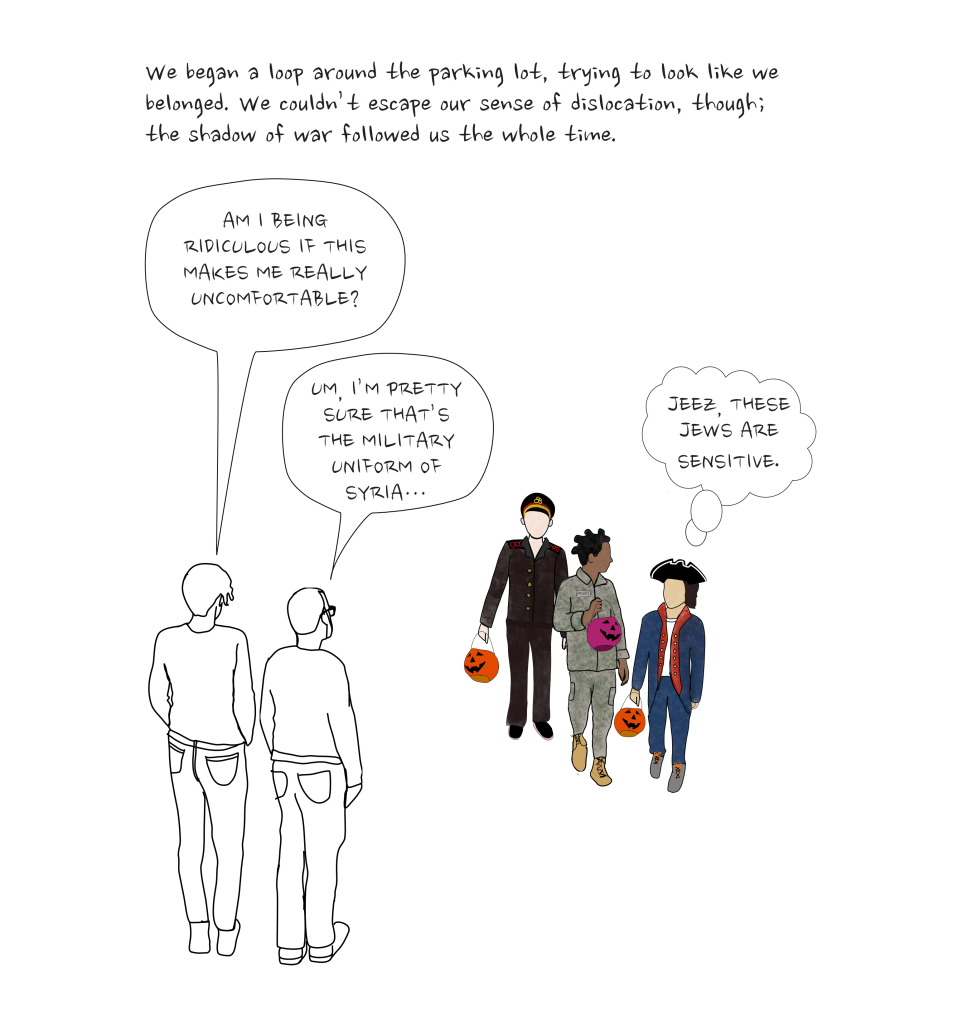
The thing that I most connect with in this comic is that the Jews look like ghosts. I identify with that, as I’ve often felt like a ghost here in my Homeland. I guess the big change for me since October 7 is that before I felt like a ghost passing largely unnoticed or unacknowledged. That was sometimes annoying, but usually fine. Or, at least, I was used to it, which made it seem fine if I didn’t think about it too much.
Now I feel like some portion of the population has noticed us and decided we need to be exorcised and banished, while another portion has noticed us and wants us to summarize 3000 years of history in seven words or less and then explain what the hell is up with a bunch of other ghosts in some other country who we don’t even know, while a third portion have noticed us and insist we aren’t ghosts at all—just pale “regular” people who should get over whatever unpleasantness happened in the 1930s and 40s in Europe, or last October, or last week, or last night, or tomorrow, because it’s all the distant past and in our heads and maybe didn’t even happen or certainly isn’t or wasn’t or won’t be as bad as we say it was/is/will be.
But the biggest portion look at me and say “You’re a ghost? I had no idea you were a ghost!”